Lamont-Doherty Earth Observatory2
-
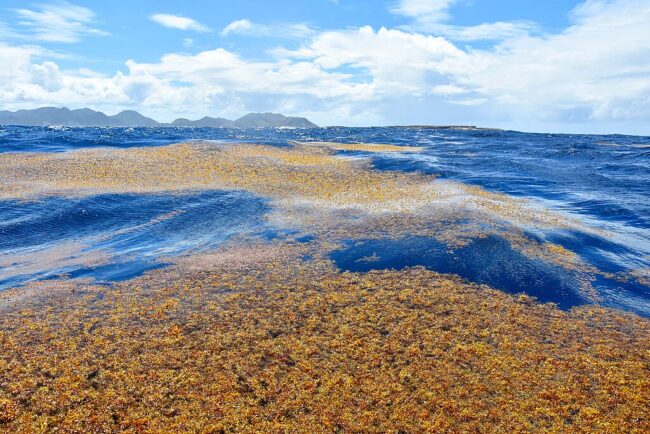
Harnessing AI, Scientists Discover a Rise in Floating Algae Across the Global Ocean
A recent study demonstrates the power of artificial intelligence as a tool for processing large amounts of ocean data.
-

Women in Science: Climate Scientist Gisela Winckler
Winckler focuses on the history and causes of past, present and future climate variability, as well as the ocean’s role in the climate system and the carbon cycle.
-
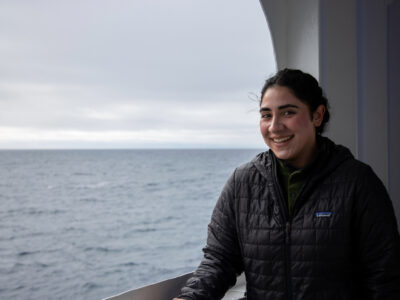
Women in Science: Paleoceanographer Apollonia Arellano
Arellano uses geochemical analyses to reconstruct deep ocean circulation in the North Atlantic Ocean.
-
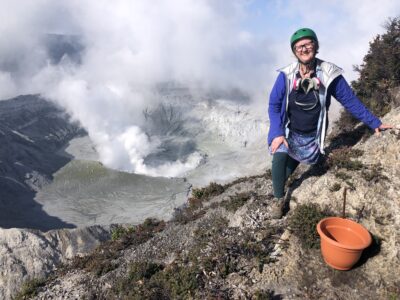
Women in Science: Geochemist Terry Plank
Award-winning geochemist and volcanologist Terry Plank studies the phenomena shaping the Earth’s crust and how they affect the world’s volcanoes.
-
Celebrating the 2026 International Day of Women and Girls in Science
In honor of this year’s theme, “Synergizing AI, Social Science, STEM and Finance: Building Inclusive Futures for Women and Girls,” we’re highlighting just some of the exceptional women researchers from the Columbia Climate School.
-
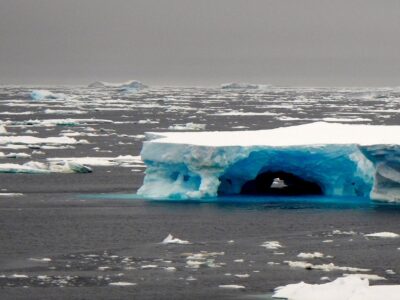
Unexpected Climate Feedback Links Antarctic Ice Sheet With Reduced Carbon Uptake
New study reveals surprising link between West Antarctic Ice Sheet (WAIS) retreat and algae growth over the past 500,000 years.
-
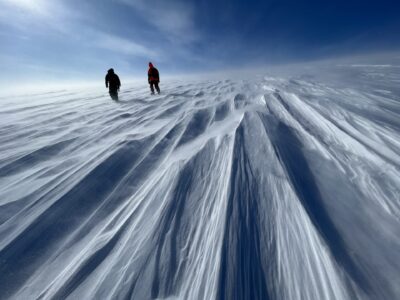
Greenland Ice Cap Vanished Just 7,000 Years Ago
The first study from GreenDrill finds that Greenland’s Prudhoe Dome ice cap had fully melted much more recently than previously thought.
-
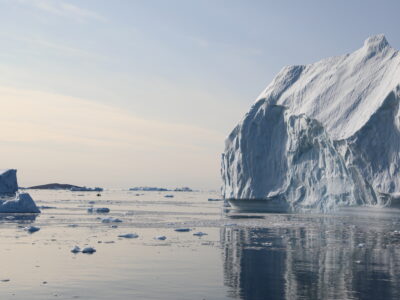
Sea Levels Are Rising—But in Greenland, They Will Fall
Even as global warming causes sea levels to rise worldwide, sea levels around Greenland will likely drop, according to a new paper.
-
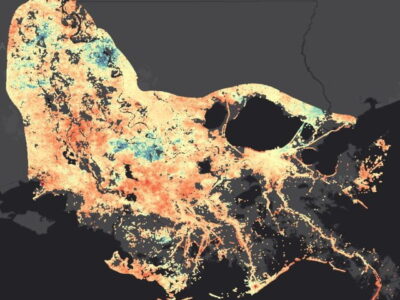
Human Activity Is Driving Rapid Sinking of World’s River Deltas
New research, published in Nature, documents the rate of elevation loss in the world’s deltas, and finds that people are the primary reason for it.


The first Earth Day in 1970 ignited a movement to stop polluting our planet. Today, our scientists and experts are tackling the most pressing challenges to achieve real-world impact. This Earth Day, join us in our commitment to realizing a just and sustainable future for our planet. Visit our Earth Day website for ideas, resources, and inspiration.
