Lamont-Doherty Earth Observatory61
-
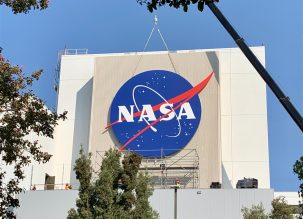
Introducing Biden’s Super Team to Revive NASA
Five women and three men were chosen by the U.S. president-elect to restore the world’s most famous agency, counting on the support of the scientific community.
-

Staff Spotlight: Andrew Reed, Manager of Facilities at Lamont
Andrew Reed is a dedicated family man, supportive foster parent and successful ski instructor. He has dedicated his career to the Earth Institute because of his passion for renewable energy.
-

Q&A With Lauren Ritchie on Intersectionality in the Climate Movement
The undergraduate student/blogger/activist shares her thoughts on the changing role of social justice within the climate movement.
-

Columbia Researchers Team With Global Firm to Enhance Hurricane Risk Scenarios
The enhanced models will enable insurers to analyze the financial implications of catastrophic events and to understand which areas are most at risk.
-

Biden’s Climate Plan Could Reduce Global Warming by About 0.1°C
The president-elect’s plan will take us closer to achieving the goals of the Paris Agreement, but there is much work to be done.
-

Scientists Have Discovered an Ancient Lake Bed Deep Beneath the Greenland Ice
Using radar and other techniques, researchers have mapped out the sediments left by a lake that apparently existed before Greenland was glaciated. Next step: drilling through the ice to see what they contain.
-

Sabin Center and Lamont Launch Climate Attribution Database
The database collects the best available evidence that anthropogenic climate change is real, that it is already here, and that predicted future changes must be taken seriously.
-

A New Global Archive Helps Researchers Chart Changes in Arctic Animals’ Behavior
Researchers from around the world have established a new archive of data documenting changes in the movements of animals in the far north.
-

Data on Past Climates Key to Predicting Future, Scientists Say
An international team suggests that research centers around the world using numerical models to predict future climate change should include simulations of past climates.


Columbia Climate School is bringing bold ideas, leading experts, and groundbreaking research to Climate Week NYC. Explore our events, stories, and updates as we help shape the conversation on climate action across New York City.
