National Center for Disaster Preparedness7
-
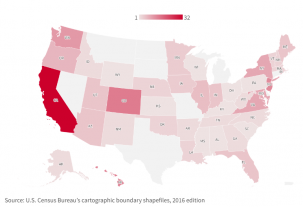
New Climate School Report Details State Policy Trends in Disaster Resilience
As disasters become more expensive, state-level recovery measures are increasing in importance. A new report sheds light on state efforts to prioritize disaster resilience and recovery.
-

Books for the Climate and Sustainability Enthusiasts in Your Life
Give the gift of deeper knowledge with these new books written by Columbia University scholars.
-

Presenting Climate LIVE K12: RSVP for Winter 2022 and Spring 2023 Sessions
In the Climate LIVE video series, experts from across the Columbia Climate School present climate and sustainability content for grade school and university students, educators, parents, and the public.
-

Hurricane Ian’s Aftermath: A Rising Death Toll and Questions About Preparedness
A disaster preparedness expert weighs in on the many factors that can complicate decisions around evacuations and preparedness.
-

Training for Dixie Fire Survivors Sheds Light on the Long Road to Recovery
One year after the devastating wildfire, residents of Greenville, Calif., are working to rebuild. Experts from the National Center for Disaster Preparedness co-hosted a training to facilitate the process.
-

How to Prepare for a Hyperactive Hurricane Season
What an “above average” hurricane forecast means, and how individuals and communities can be ready to ride out the possible storms to come.
-

In Madagascar, a Hurricane Simulation Transforms Into Real-life Disaster Response
Instead of leading a fictional disaster simulation as planned, Columbia researchers helped government agencies prepare for and respond to Tropical Cyclone Batsirai in real time.
-

Two Years Into Covid-19, Where Do We Go From Here?
As the world moves forward with cautious optimism, it is critical to evaluate how we can be better equipped to face a new variant in the future, or a new pandemic entirely.
-

Thalia Balkaran: Working to Protect Children in the Caribbean From Disasters
Balkaran is helping communities in the Caribbean to develop disaster preparedness plans that focus on some of their most vulnerable residents: children.


The first Earth Day in 1970 ignited a movement to stop polluting our planet. Today, our scientists and experts are tackling the most pressing challenges to achieve real-world impact. This Earth Day, join us in our commitment to realizing a just and sustainable future for our planet. Visit our Earth Day website for ideas, resources, and inspiration.
