research30
-

Scientists Piece Together Nearly Two Decades of Global Glacier Ice Loss
Scientists filled an 11-month gap in satellite data, creating a continuous 18-year record that tracks glacial melt and will aid predictions about sea level rise.
-

Researchers Show Potential for Subseasonal Forecasts to Predict Dengue Outbreaks
A new study shows for the first time that rainfall and temperature forecasts can be used to predict outbreaks of dengue fever by estimating mosquito abundance.
-

Greenland Ice Sheet Saw Record Loss in 2019
An international team of polar researchers says that the Greenland ice sheet experienced record loss in 2019.
-

Fossil Leaves Show High Atmospheric Carbon Spurred Ancient ‘Global Greening’
Scientists studying leaves from a forest that stood during a warm period 23 million years ago have for the first time linked high levels of atmospheric carbon dioxide with increased plant growth, as well with the high temperatures of the time.
-

A New Way to Calculate the Price of Carbon Pollution
How to set carbon prices that are consistent with goals of both climate experts and economists.
-

Study Quantifies Potential COVID-19 Spread From Hurricane Evacuation
Spread of the coronavirus during a hurricane evacuation could be minimized by directing evacuees to the right areas and taking proper measures, say researchers.
-

New System Tracks and Forecasts Outbreak Risk of Dengue and Zika
The system identifies areas where environmental conditions might enhance transmission of dengue, Zika, chikungunya and other diseases carried by Aedes mosquitoes. It could find at-risk areas a month in advance.
-

Scientists Warn of Wide Impacts on Midwaters Around Deep-Sea Mining Sites
Interest in deep-sea mining for metals has grown substantially in the last decade. A new study argues that it poses significant risks not only to the immediate surroundings, but also to the water hundreds to thousands of feet above the seafloor.
-

Report Outlines Path to Safe Reopening During COVID-19
The guide calls for a significant up-scaling of testing to determine when people can return to work safely, and says that businesses will have to fundamentally change how they do things.


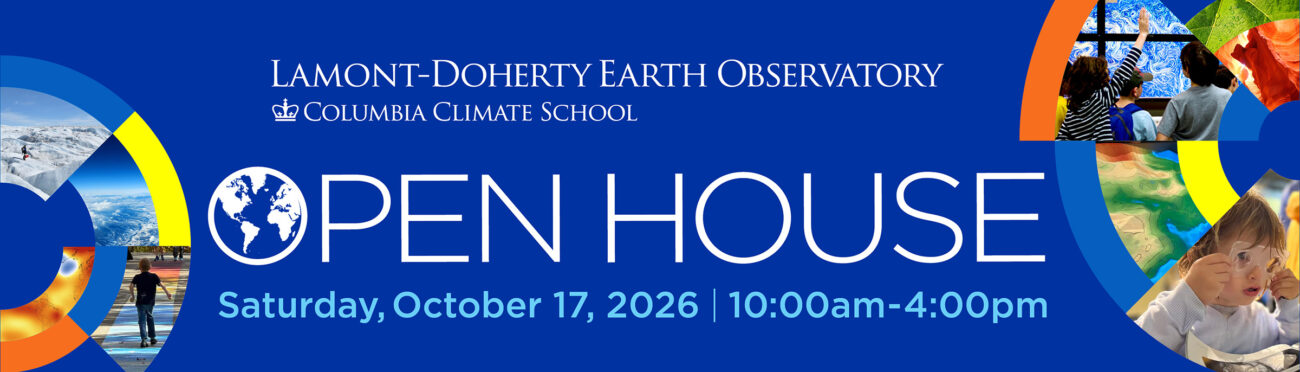
On Saturday, October 17, 2026 from 10am to 4pm, Lamont-Doherty Earth Observatory Open House—our biggest, best science fun and discovery event of the year—will take place on our beautiful campus in Palisades, NY. Mark your calendar and join us for this free, family-friendly celebration of science! RSVP Today!
