Viewpoints2
-

How Do We Fix the Hellish Heat of the New York City Subway System?
It’s time to treat subway heat like the climate adaptation issue and public health hazard that it is.
-
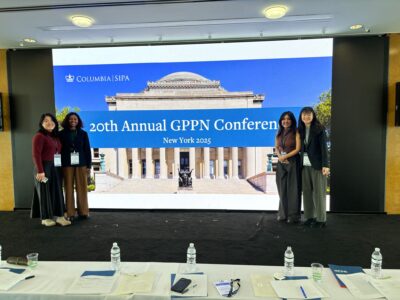
Four Columbia Women Are Reimagining Rice Farming to Tackle Climate Change
Clean Crop is an ambitious startup project that blends policy, economics, sustainability and development.
-

Can Tariffs Lead to a More Circular Economy?
While controversial and often politically divisive, tariffs may have the opportunity to shift production and consumption patterns toward sustainability.
-

AI and Climate Justice: Balancing Risk With Opportunity
As AI expands its global reach, how can we ensure its just and inclusive use when applied to climate science?
-

Why the Time To Go Solar Is Now
An open letter to American homeowners on the benefits of installing solar panels.
-

A New Way to Rank Countries on Successful Aging
Is there a comprehensive way to define successful aging? Ng Kah Long analyzed existing population indexes before choosing to construct his own.
-

Why Sustainability Matters in Marathons
An M.S. in Sustainability Science graduate reflects on the pros and cons of running marathons—for people and the planet.
-

On Hurricanes and Hoaxes: A Case for Finding Common Ground
To fight climate disinformation, we must align with the skeptical, uncertain or disengaged to spur collective action.
-

Who Should Be Responsible for Used Clothing?
Should fashion brands be accountable for the nearly 13 million tons of textile waste Americans produce every year? New legislation says yes.


By studying thousands of buildings and analyzing their electricity use, Columbia Climate School Dean Alexis Abramson has been able to uncover ways to significantly cut energy consumption and emissions. Watch the Video: “Engineering a Cooler Future Through Smarter Buildings“
