Climate206
-

Is Sustainability Sustainable in a Post-Bloomberg NYC?
With the end of Mayor Michael Bloomberg’s tenure drawing near, many are speculating which of his policies will survive the next administration. New York City’s comprehensive environmental plan, PlaNYC 2030: A Greener, Greater New York, has been championed politically by Bloomberg, but is grounded in science and data, and performance management. It has demonstrated progress,…
-

The Dinosaurs’ Demise Up Close
Tourists flock to Italy to see Michelangelo’s David and other iconic hunks of Renaissance stone, but in a trip over spring break, a group of Columbia students got to visit rocks that have shaped the world in even more profound ways.
-

Artists, Scientists Match up at ‘Speed Dating’ Event
During the dates, participants shared with one another work they had done on cell phones and tablets, and exchanged information, making plans to talk in the future. Daters everywhere were rapt in conversation, and you could see an occasional wild hand gesturing in excitement.
-

Losing Leaf Peepers: the Effect of Climate Change on Fall Color
The spectacular colors of fall foliage draw throngs of tourists to the Eastern U.S. each year. However, new research from The Chinese Academy of Sciences suggests that climate change may shift the timing of this seasonal event to the detriment of travelers and locals alike.
-
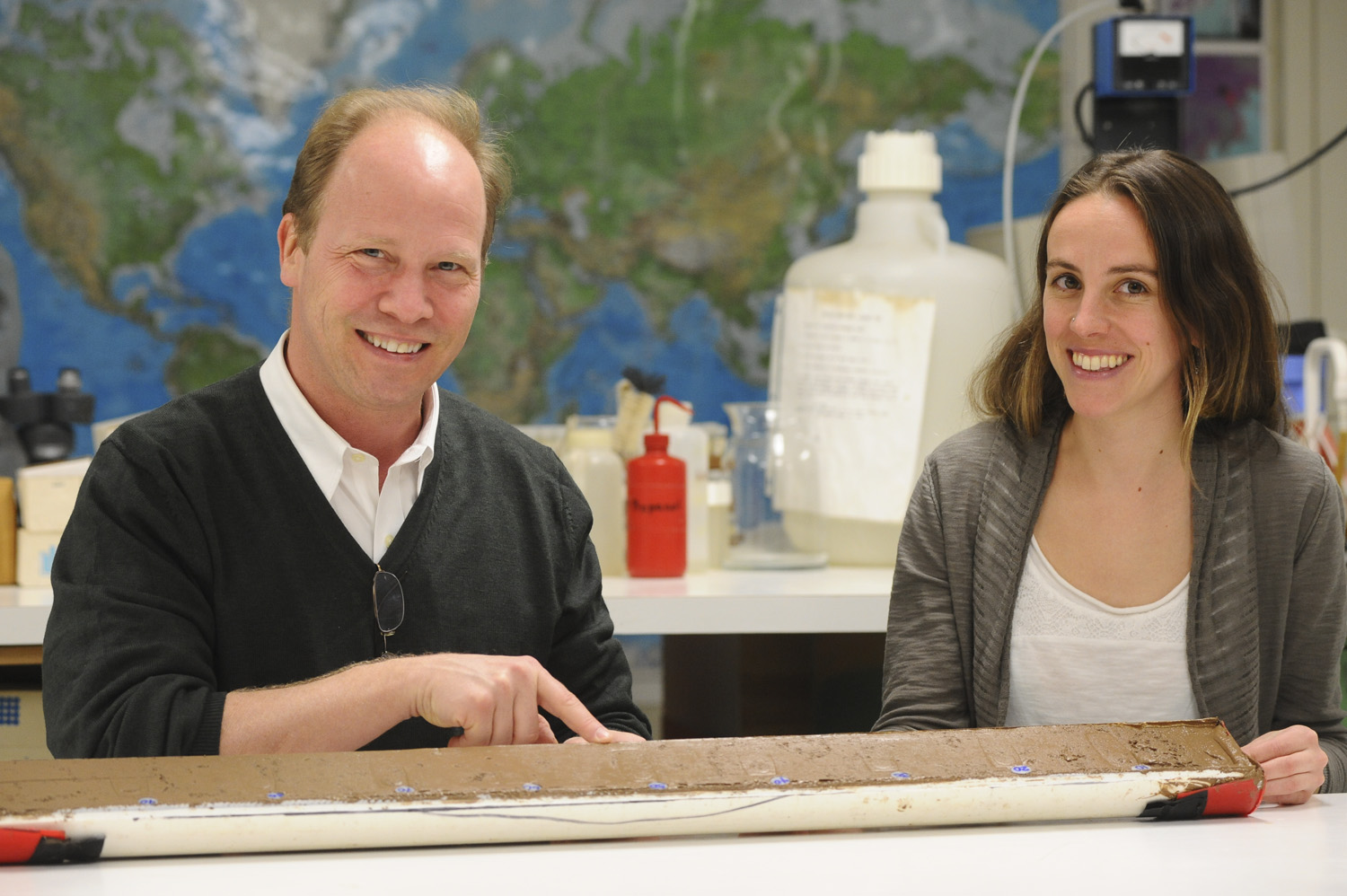
When the Sahara Turned to Sand
The Sahara wasn’t always a desert. Trees and grasslands dominated the landscape from roughly 10,000 to 5,000 years ago. Then, abruptly, the climate changed. A study by Lamont-Doherty’s Peter deMenocal says it took just a few hundred years to happen.
-

On Nov. 12, Meet Climate Models in New York City
Who’s studying Earth’s climate? Why? Where? How? And what are they learning? Panelists will explore these questions and discuss creative methods that can be used to better communicate climate science to the public.
-

Artist/Scientist Speed Dating Event on Nov. 6
Have you ever wondered what can spark collaboration between artists and scientists? Witness as first “dates” unfold between two featured pairs of artists and scientists, and then have your turn at meeting potential collaborators of your opposite discipline.
-

Just How Effective is Green Infrastructure?
Over the next 18 years, New York City’s 2010 Green Infrastructure Plan will spend $2.4 billion on green infrastructure— green roofs, tree plantings, and increased vegetation— to combat coastal pollution. But how does green infrastructure work and how effective is it really?
-
Is Global Heating Hiding Out in the Oceans?
Parts of Pacific Warming 15 Times Faster Than in Past 10,000 Years


The first Earth Day in 1970 ignited a movement to stop polluting our planet. Today, our scientists and experts are tackling the most pressing challenges to achieve real-world impact. This Earth Day, join us in our commitment to realizing a just and sustainable future for our planet. Visit our Earth Day website for ideas, resources, and inspiration.
