Climate4
-

Climate School Students Analyze Extreme Heat Risk and Mitigation Efforts at the 2026 FIFA World Cup
A Columbia Climate School student team examined extreme heat, poor air quality and emergency management at MetLife Stadium during the FIFA World Cup in New York/New Jersey.
-
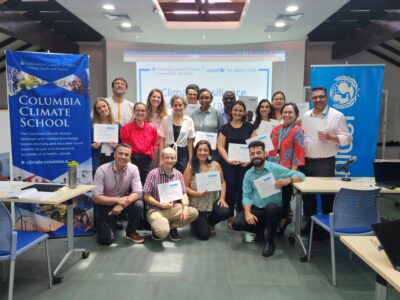
When Knowledge Travels: Translating Climate Awareness Into Action
A global partnership between the Columbia Climate School and UNICEF leaders is building climate knowledge and capacity to protect more than a billion children worldwide.
-
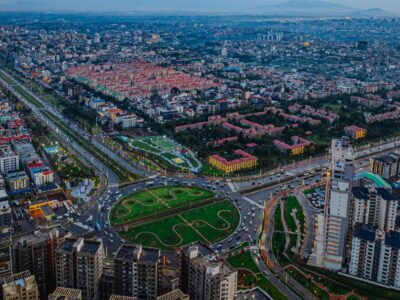
How Ethiopia Can Make COP32 the Summit That Actually Delivers
Lisa Sachs believes Ethiopia and the African Union can make the 2027 COP more effective by focusing on scalable plans for energy systems, finance reform, food security and nature restoration.
-
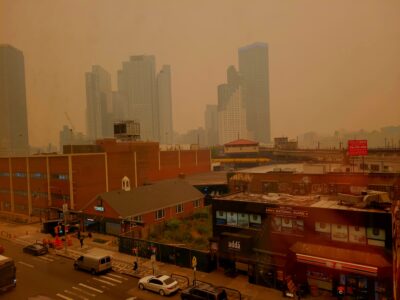
Accounting for Compounding Climate Events in Emergency Management
Climate researchers Marco Tedesco and David Sathuluri reflect on how a single week of heat, smoke and flooding exposed the vulnerability of NYC.
-
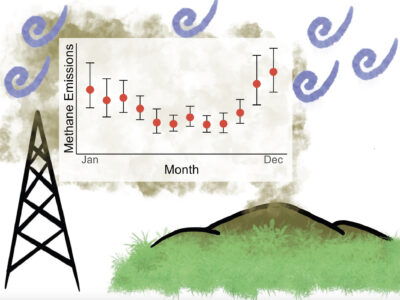
Long-Term Study Suggests Landfill Methane Emissions Are Far Higher Than Estimates
A major New Jersey landfill emitted about five times more methane in 2023 than was reported to the U.S. Environmental Protection Agency.
-

July Research Roundup: Select Papers
This month, we covered the 2026 Environmental Performance Index; how gas bubbles shaped Kīlauea’s lava flow; and the Pacific’s contrasting effects on wildfires. Here are some additional studies worth noting.
-
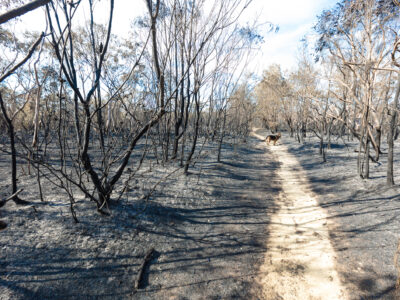
Pacific Ocean Pattern Helps Explain Diverging Wildfire Trends in U.S. and Australia
Two of the world’s most fire-prone regions have followed strikingly different wildfire trajectories despite both experiencing a warming climate.
-

From Kindergarten to College, New York Is Rethinking Climate Education
New York State has joined a growing movement to make climate education a required part of K-12 learning, following years of student demand and widespread support from teachers and parents.
-
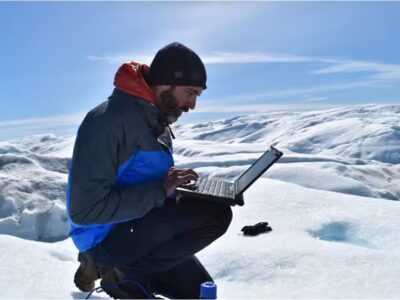
Climate Scientist Marco Tedesco Examines What Responsible AI Could Look Like
The Lamont-Doherty Earth Observatory researcher is helping launch an AI working group to explore how AI can support climate research without undermining ethics, equity or scientific judgment.


October 28, 2026 is Columbia Giving Day! Your gift to Columbia Climate School helps advance interdisciplinary research, educate the next generation of leaders, and transform bold ideas into real-world solutions for climate, Earth, and society.
