Climate64
-

Reactions That Store Carbon Underground Can Cause Cracking. That’s Good News.
A laboratory experiment found that as CO2 solidified, it caused the rock around it to crack. In real reservoirs, this process could open up space to pump in more CO2.
-

Three Questions About Last Weekend’s Devastating Tornado Outbreak
Natural hazards expert Chiara Lepore explains some of the factors that contributed to making the outbreak uncommonly dangerous.
-

Beyond Climate Change: What Happens Once We Control the Global Thermostat?
We’re developing the tools to slow and reverse climate change. If we succeed, our species will be managing the planet’s atmosphere indefinitely.
-

Oceans Could Be Harnessed to Remove Carbon From Air, Say U.S. Science Leaders
Seaweed cultivation, altering the chemistry of seawater, or even injecting electrical currents should be studied, say the authors.
-

Study Shows Success of New York City’s Clean Heat Program
The ban of heating oil #6 has been effective in reducing air pollution.
-

Opinion: All Fossil Fuel Advertisements Should Be Banned
Greenwashing by Big Oil shifts blame away from fossil fuel companies and delays needed climate action.
-

American Geophysical Union 2021: Key Events From the Columbia Climate School
A guide to some of the most provocative talks at the world’s largest gathering of earth and space scientists.
-

Opinion: Composting Should Be Mandatory in New York City
Composting is good for the planet, and it can be profitable. New Yorkers should be required to separate compostable materials along with recycling.
-

You Asked: When Will Polar Bears Go Extinct?
A recent study provides a rough timeline, but there’s still time to save them if we cut our carbon emissions.


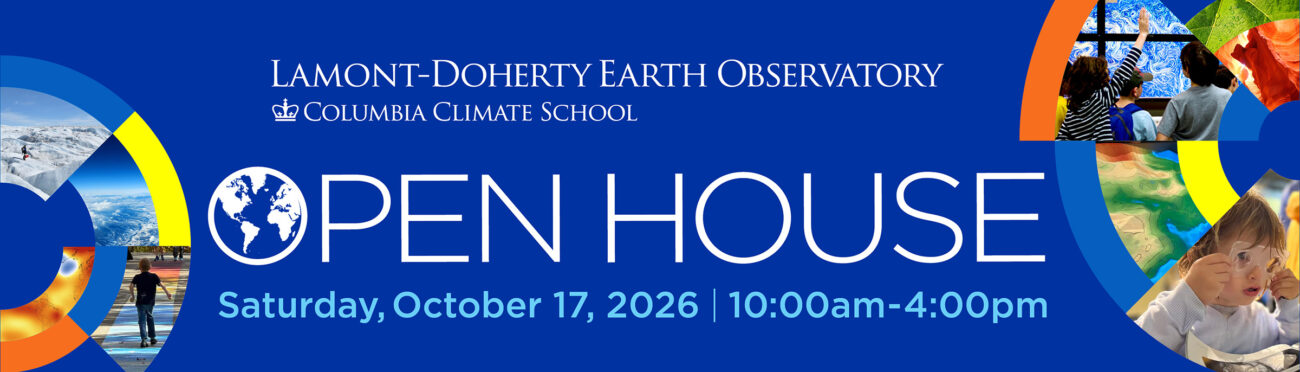
On Saturday, October 17, 2026 from 10am to 4pm, Lamont-Doherty Earth Observatory Open House—our biggest, best science fun and discovery event of the year—will take place on our beautiful campus in Palisades, NY. Mark your calendar and join us for this free, family-friendly celebration of science! RSVP Today!
