Earth Sciences27
-

A Climate Scientist Rides the (Rossby) Wave of Discovery
Mingfang Ting studies the connection between planetary waves in the atmosphere and climate anomalies, such as droughts and extreme heat.
-

No Longer Just ‘Girl Talk’
Fifth graders commemorate pioneering mapmaker Marie Tharp using comics, pictures, and poems.
-

Yes, These Flesh-Eating Algae Are Real. And They Like Their Prey Alive.
New research suggests that photosynthetic green algae also eat bacteria on a previously unsuspected scale.
-

Jacqueline Austermann: Exploring the Deep Earth, Modeling Future Sea Level
She studies Earth’s past warm periods to try to understand the future, and was just named a 2021 Sloan Research Fellow.
-

CO2 Dip May Have Helped Dinosaurs Walk From South America to Greenland
A new study identifies a climate phenomenon that may have helped sauropodomorphs spread northward across the Pangea supercontinent.
-

Video: Meet Some of The Incredible Women Scientists of Lamont-Doherty Earth Observatory
These women are helping to unravel the mysteries and mechanics of Earth.
-

Celebrating the 2021 International Day of Women and Girls in Science
In honor of the day, we’re highlighting a few women who play an essential role in the Earth Institute’s work to understand how the planet works, how humans are changing it, and how to build a sustainable future.
-

You Asked: Why Is it So Hard to Predict Volcanic Eruptions?
Volcanologist Einat Lev tackles reader questions and explains how more monitoring of volcanoes could save lives.
-

Study Locates Origins of Glacier Soot Pollution in Northern India
By sampling snow from glaciers and tracking pollutants back to their source, the study reveals pathways to reduce harmful pollution in the Indian Western Himalayas.


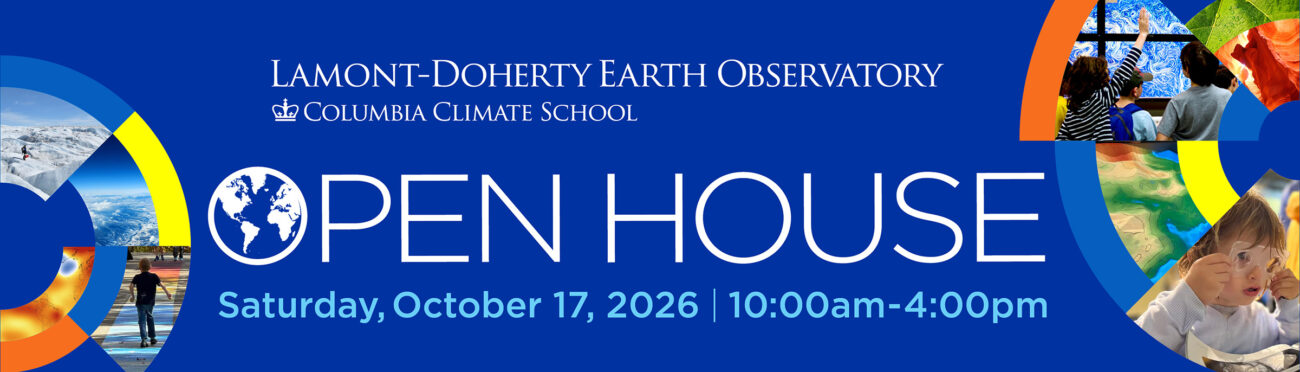
On Saturday, October 17, 2026 from 10am to 4pm, Lamont-Doherty Earth Observatory Open House—our biggest, best science fun and discovery event of the year—will take place on our beautiful campus in Palisades, NY. Mark your calendar and join us for this free, family-friendly celebration of science! RSVP Today!
