Earth Sciences96
-
Ancient Rocks, Modern Purpose
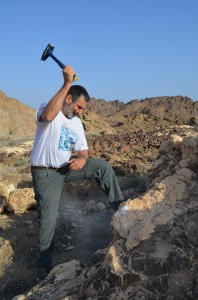
The desert sultanate of Oman is home to some of the weirdest—and possibly most useful—rocks on earth. The stark Hajar mountains, near the border with Saudi Arabia, contain a chunk of earth’s mantle—a zone that makes up most of earth’s mass, but normally lies inaccessible to humans, far below the surface. Here, though, a sliver…
-

In Ethiopian Desert, a Window into Rifting of Africa
A new study in the journal Nature provides fresh insight into deep-earth processes driving apart huge sections of the earth’s crust. This rifting mostly takes place on seabeds, but can be seen in a few places on land—nowhere more visibly than in the Afar region of northern Ethiopia.
-

What’s the Real Story With Clean Coal?
The Obama administration will propose new rules to limit carbon emissions from coal-fired power plants. But is “clean coal” technology up to the job?
-

Chasing Tornadoes: A Close Call with a Deadly Storm
Tornadoes are rare at any one location, but out of anywhere in the United States, the central Oklahoma area has the greatest risk—and this day would prove no exception.
-

Tides Play a Role in Triggering Undersea Earthquakes
Can shifting tides trigger earthquakes? Research done by Maya Tolstoy, a geophysicist at Lamont-Doherty Earth Observatory, suggests they do.
-

400 ppm World, Part 2: Rising Seas Come with Rising CO2
Every indication is that thermal expansion will not dominate rates of sea-level rise in the future. As Earth’s climate marches toward equilibration with present-day CO2 levels, the climate will continue to warm. And this warming threatens the stability of a potentially much, much larger source for sea-level rise — the world’s remaining ice sheets.
-

400 ppm World, Part 1: Large Changes Still to Come
Why should society care that CO2 is now as high as 400 ppm? The reasons are multiple, but all trace back to the relationship between CO2 and temperature.
-
Climate in the Peruvian Andes: From Early Humans to Modern Challenges
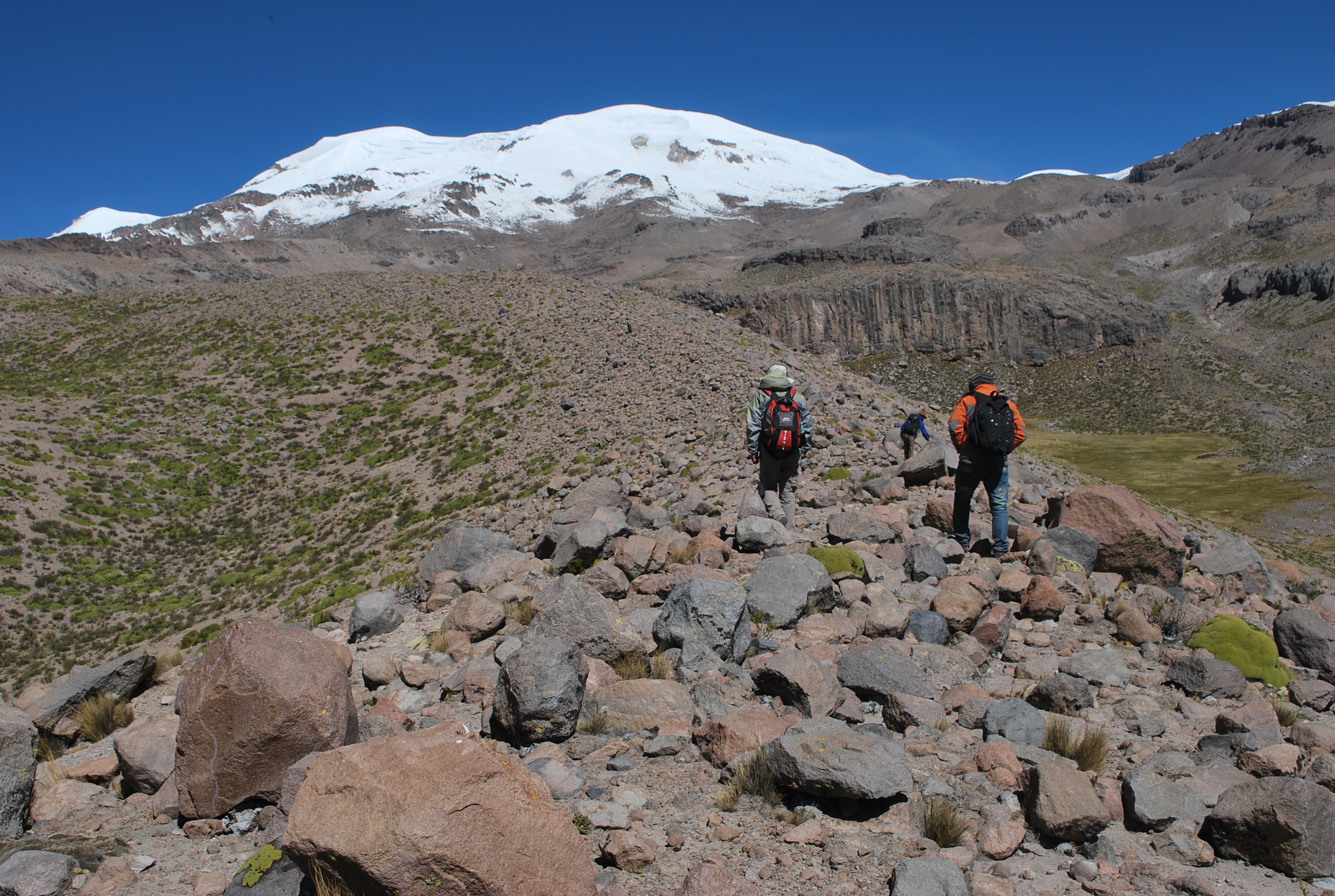
Twice humans have witnessed the wasting of snow and ice from Peru’s tallest volcano, Nevado Coropuna—In the waning of the last ice age, some 12,000 years ago, and today, as industrial carbon dioxide in the air raises temperatures again. As in the past, Coropuna’s retreating glaciers figure prominently in the lives of people below. In…
-
Lamont Scientist Featured in Antarctic Climate Change Documentary
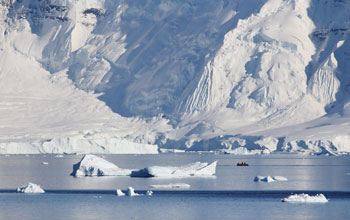
Lamont-Doherty scientist Hugh Ducklow is featured in a documentary due out next summer on climate change and the West Antarctic Peninsula. Catch a preview in this newly-released trailer.



On Saturday, October 17, 2026 from 10am to 4pm, Lamont-Doherty Earth Observatory Open House—our biggest, best science fun and discovery event of the year—will take place on our beautiful campus in Palisades, NY. Mark your calendar and join us for this free, family-friendly celebration of science! RSVP Today!
