Ecology54
-
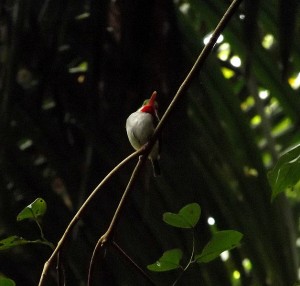
Study Rainforest Ecology in Puerto Rico with SEE-U
The SEE-U Puerto Rico course provides students with a total immersion experience into the ecology and dynamics of a fragile and threatened environmental system.
-

At the Bottom of the Bottom of the World
As we in North America emerge from a remarkably mild winter, the brief and sunny summer in the world’s deep south is drawing to a rapid close. Antarctica’s days are becoming shorter, and come the vernal equinox the South Pole will enter into its yearly hibernation—six months of dusk and night. Researchers from Columbia University…
-

Our Newest SEE-U Field Site in Jordan
In partnership with Columbia’s Global Center in Amman, the Columbia University Middle East Research Center, undergraduate students of all majors have the unique opportunity to study ecosystems and environmental sustainability in Jordan.
-

One Planet, Too Many People?
Can we manage the needs of 9 billion people for water, food and energy without depleting our resources and ruining the environment? “The solutions,” says Tim Fox, “are all within the capability of existing technology.”
-

Summer 2012 SEE-U Study Abroad Experience
Summer 2012 applications for the Student Ecosystem Experiences for Undergraduate program are now being accepted. Undergraduate students of all majors can apply for the opportunity to conduct field work and study unique ecosystems abroad.
-

Ocean Acidification: Geologic Record Adds New Warning
A new study in Science finds that the oceans may be acidifying faster today from industrial emissions than they did during four major extinctions in the last 300 million years when carbon levels spiked naturally.
-

Social Media and the Love of Science
What is the role of social media in advancing environmental sustainability and conservation? Do tweeting, posting, and blogging really accelerate technological progress and science?
-

U.S., 5 Nations to Cut Methane, Soot Emissions
The United States and five other countries agreed this week to fund an effort to cut emissions of methane, soot and other pollutants to start to slow the rate of human-induced climate change.
-

What Darwin Saw
Sir Charles Darwin realized that humanity is interwoven with nature, that all of life is in a state of constant flux. The empowerment of nature, made possible by Darwin’s integration of human life into the whole, and grounded in his lived experience and profound humility, is the foundation of modern ecology.


The first Earth Day in 1970 ignited a movement to stop polluting our planet. Today, our scientists and experts are tackling the most pressing challenges to achieve real-world impact. This Earth Day, join us in our commitment to realizing a just and sustainable future for our planet. Visit our Earth Day website for ideas, resources, and inspiration.
