Peace and Conflict3
-
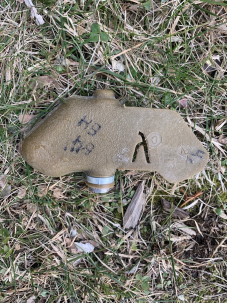
Harnessing Drones, Geophysics and Artificial Intelligence to Root Out Land Mines
A grad student and his colleagues search for innovative new ways to detect and disarm millions of hidden hazards.
-

Russian Geopolitical Strategies in the Arctic Are Complicated by Rapid Glacier Retreat on Remote Islands
On a remote High Arctic island covered by glaciers, melting ice is a key player in Russian military and political interests.
-

Warfare, Not Climate, Is Driving Resurgent Hunger in Africa, Says Study
A 2009-2018 analysis of 14 countries teases out the factors behind reversals in food security. Conflict, not drought, is behind much of it.
-

Allegra Chen-Carrel Explores How Groups Can Co-Exist Peacefully
She’s working with the Sustaining Peace Project to investigate what helps to maintain long-term peace in societies.
-

Virtual Workshop Convenes Women Peacebuilders Paving the Way to a Post-Pandemic Future
This spring, feminist activists from 13 countries gathered online to exchange expertise and envision a more just and equitable future after COVID.
-

Can We Escape the Vortex of Polarization?
A new book explores the complex reasons why Americans have become starkly divided into warring camps—and delves deep into how we may start pulling ourselves from the morass.
-

In India-Pakistan Standoff, Siachen Glacier Is No Passive Bystander
A recent study shows how on Siachen Glacier, the impacts of high-altitude warfare are two-way. As India and Pakistan’s armies have harmed the glacier, Siachen’s brutal conditions have also constrained military operations.
-

In Virtual Exchange, Women Organizers Share Challenges and Successes From COVID Frontlines
Throughout the spring, grassroots women peacebuilders will meet online to discuss how they’re helping to build resilience in their communities.
-

How the Intercontinental Slavery Museum in Mauritius Promotes Peace and Justice
A member of the museum’s board of directors shares his reflections and hopes for how it may help Mauritian society to come together.



COP31, the 2026 United Nations Climate Change Conference, aims to advance dialogue, strengthen consensus, and accelerate climate action on a global scale. From November 9–20, 2026 in Antalya, Türkiye, heads of state, ministers, scientists, business leaders, and civil society will gather to advance efforts in emission targets, climate finance, and adaptation and resilience. Once again, our experts, students, and global thought leaders from Columbia Climate School and across Columbia University are contributing to key events, sharing insights, and helping shape the dialogue toward ambitious, science-based solutions. Learn More
