Poverty / Development
-
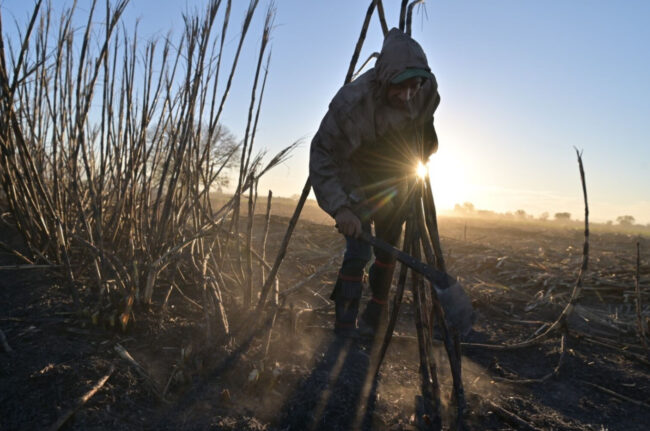
New Policies, Same Inequalities for Agricultural Workers in Mexico
Who will benefit from the new agricultural support programs that promise to help rural farmworkers?
-
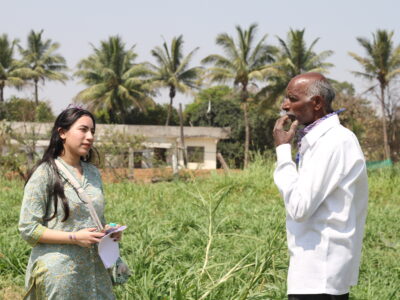
Student Spotlight: A Systems-Level Approach To Help Solve India’s Food Challenges
Stuti Banga’s work emphasizes how systems-level thinking, national contexts and power dynamics matter just as much as technological innovation.
-
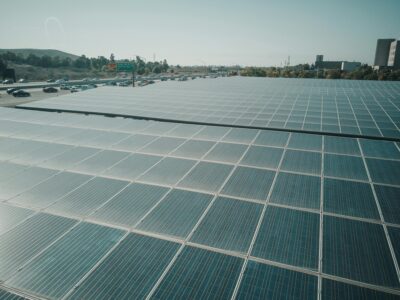
Climate Action Costs More in the Global South. Here’s Why.
For many countries in the Global South, the cost of transitioning to a low-carbon economy remains disproportionately high.
-

Vast Freshwater Reserves Found Beneath Salinity-Stressed Coastal Bangladesh
Drinking water is often scarce in Bangladesh. These researchers have tapped into a potential solution.
-
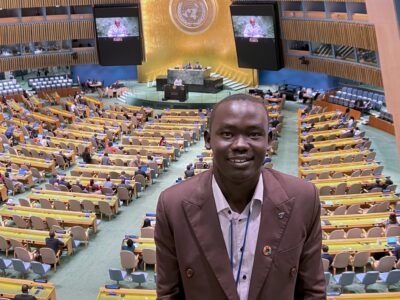
COP30 Is Over. But for the World’s Most Vulnerable, the Crisis Is Ongoing.
Anyieth Philip Ayuen, a graduate of the Climate and Society program, on the importance of keeping resilience, literacy and survival at the center of global climate policy.
-

A Whole-Systems Investment Approach for the Coffee Sector and Beyond
A new handbook showcases a methodology for collaborative investment planning.
-

Global Climate Risk Index Ranks 188 Countries by Vulnerability and Access to Finance
Columbia Climate School identifies 65 “red zone” nations across four separate climate scenarios. The index helps close the gap between risk assessments and funding allocations.
-

More and More People Missing From Official Census Data
Foreign aid cuts will worsen “quiet crisis,” according to experts.
-

Global Perspectives: Exploring Sustainable Development in Rwanda and Bangladesh
Columbia Climate School students in two classes partnered with global communities and gained hands-on experience in sustainability.


By studying thousands of buildings and analyzing their electricity use, Columbia Climate School Dean Alexis Abramson has been able to uncover ways to significantly cut energy consumption and emissions. Watch the Video: “Engineering a Cooler Future Through Smarter Buildings“
