Climate218
-

What Obama Can and Should Do About Climate Change
As President Obama embarks on his second term, many Americans are hoping that the extreme weather of 2012 will mark a sea change and finally goad him into making meaningful efforts to deal with climate change.
-
Two Climate Scientists Win 2012 Vetlesen Prize for Work on Ozone Hole, Ice Cores
An American atmospheric chemist who led efforts to identify the cause of the Antarctic ozone hole and a French geochemist who extracted the longest-yet climate record from polar ice cores have won the prestigious 2012 Vetlesen Prize. Susan Solomon and Jean Jouzel will share the $250,000 award, considered to be the earth sciences’ equivalent of…
-
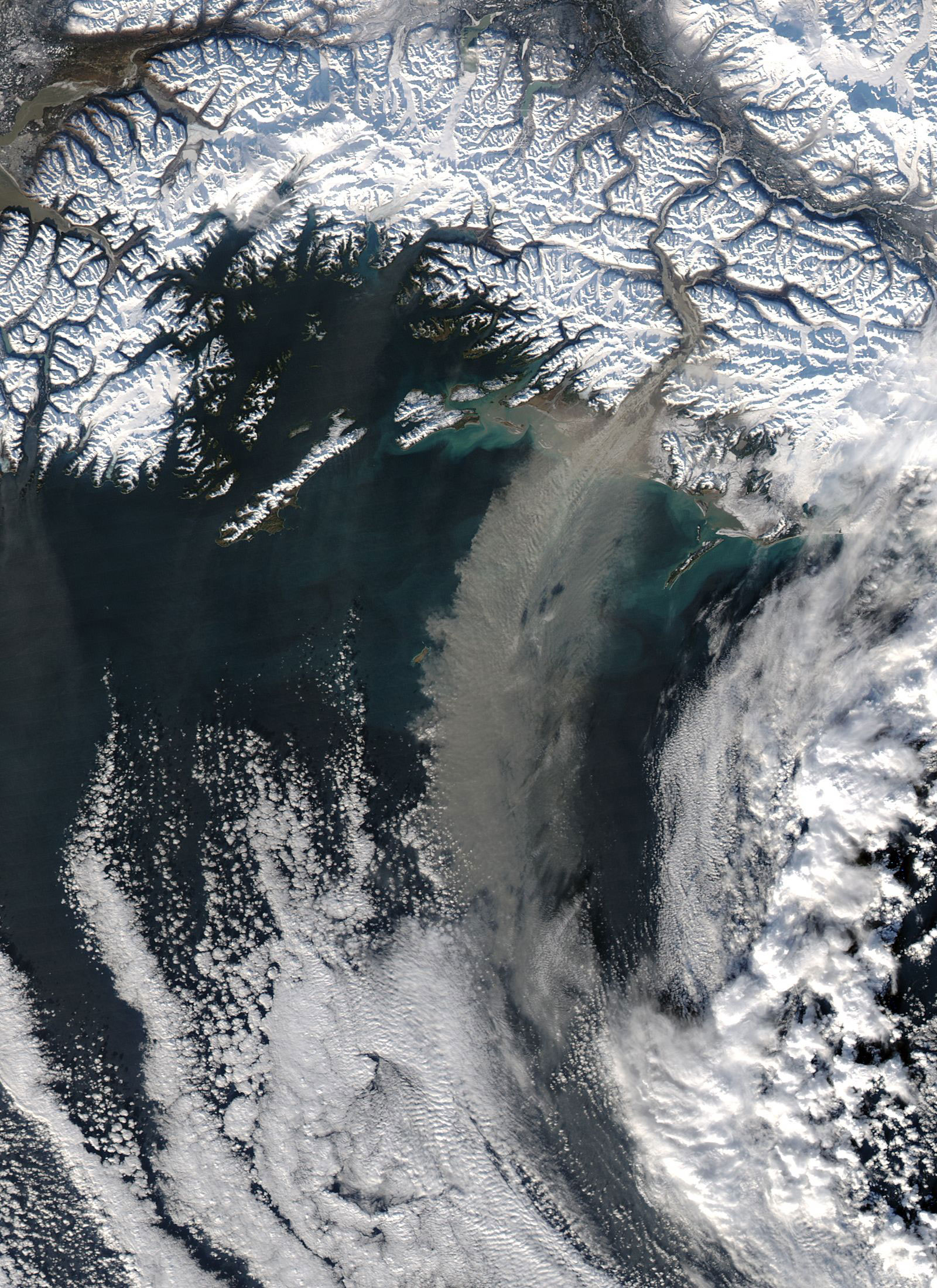
What Dust May Have To Do With Earth’s Rapidly Warming Poles
As earth’s climate warms, scientists have tried to understand why the poles are heating up two to three times faster than the rest of the planet. Airborne dust, it turns out, may play a key role.
-

Smaller Colorado River Projected for Coming Decades, Study Says
Some 40 million people depend on the Colorado River Basin for water but warmer weather from rising greenhouse gas levels and a growing population may signal water shortages ahead.
-

Role-Reversal (and Some Fun) at AGU
Francesco Fiondella is normally behind the scenes writing web stories, developing audio slideshows and videos for the International Research Institute for Climate and Society (IRI). But at this year’s annual American Geophysical Union (AGU), the tables were turned for a brief moment. He was video ambushed by climate scientist Andrew Robertson and forced to explain…
-

Poor Ethiopian Farmers Receive ‘Unprecedented’ Insurance Payout
Thanks to a groundbreaking new program that relies on advanced satellite technology, a weather index insurance payout of unprecedented scale will benefit poor African farmers.
-

A River Runs Through It: Predicting Floods in the Midwest
Focusing on the American Midwest, Andrew Robertson analyzes the relationships between floods, weather and climate patters throughout the 20th century.
-

Clues from Last Ice Age May Hint at Drying Ahead for Some Regions
In the spectacular collapse of ice sheets as the last ice age ended about 18,000 years ago scientists hope to find clues for what regions may grow drier from human caused global warming. In a talk Thursday at the American Geophysical Union’s annual meeting, Aaron Putnam, a postdoctoral scholar at Lamont-Doherty Earth Observatory, painted a…
-

How the Warming Arctic Affects Us All
The Arctic may seem remote, but the overall rate of global warming, our climate and weather, sea levels, and many ecosystems and species will be affected by the warming that is occurring there.


The first Earth Day in 1970 ignited a movement to stop polluting our planet. Today, our scientists and experts are tackling the most pressing challenges to achieve real-world impact. This Earth Day, join us in our commitment to realizing a just and sustainable future for our planet. Visit our Earth Day website for ideas, resources, and inspiration.
