Climate42
-
Simplifying the Language of the Climate Crisis
Climate and clean-energy communication is filled with numbing jargon and complexity. But clarity is needed to connect and empower. A simple writing tool might help.
-

Should We Stop Using the Term ‘Natural Disaster’?
The words we use to describe events matter. Would a different term elicit more substantial change?
-

Whole Food Systems: Jessica Fanzo Looks at How Food Connects With Everything Else
The Columbia Climate School’s newest faculty member strives to improve food systems to deliver healthy, equitable, and environmentally sustainable diets.
-

Website Tracks Inflation Reduction Act’s Climate Provisions
IRAtracker.org is a free resource that includes a searchable database of the bill’s climate change-related provisions and actions taken by federal agencies to implement those provisions.
-

Without Changes, Global Food Systems May Drive World Beyond Climate Targets, Says Study
Production of meat, dairy and rice are the leading sources of food-related emissions. Improved management practices and changes in diet could go a long way to addressing the issues.
-

Flooding in Jakarta: A Call to Increase Climate Change Awareness
Despite being frequent victims of climate-driven disasters, Indonesians are largely unaware of climate change and its impacts. Education, media attention, and conversations could be key to shifting those perceptions.
-

Project Will Survey Organizations Active in Climate Communication and Education
If you’re part of an organization that works in climate communication and education, please take 20 minutes to complete the online questionnaire. Others can help by spreading the word.
-

Climate and Society Alumna Suzie Hicks Teaches Climate Science to Kids of All Ages
Suzie Hicks, “The Climate Chick,” talks about how she is using television and film to inspire young learners to form healthy relationships with environmental science and help improve the world around them.
-

‘I Study the Ways Society Is Adapting to a Changing Climate:’ Meet Climate Scientist Lisa Dale
Columbia Climate School’s Lisa Dale is a political scientist who studies how policies, both domestic and international, might help us live more sustainable lives.


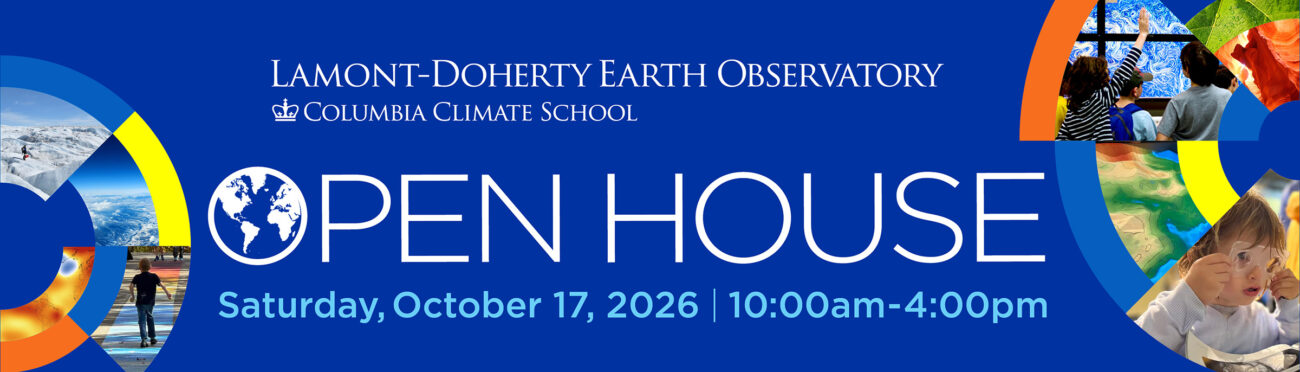
On Saturday, October 17, 2026 from 10am to 4pm, Lamont-Doherty Earth Observatory Open House—our biggest, best science fun and discovery event of the year—will take place on our beautiful campus in Palisades, NY. Mark your calendar and join us for this free, family-friendly celebration of science! RSVP Today!
