Earth Sciences3
-
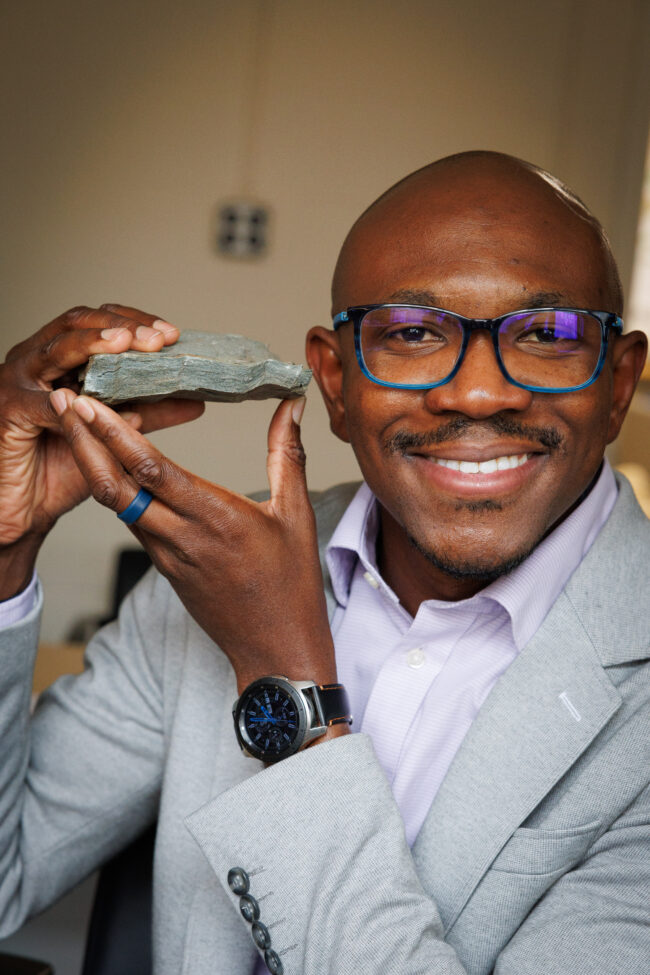
Geologist Folarin Kolawole Receives 2026 National Geographic Wayfinder Award
Folarin Kolawole is one of 15 recipients of this year’s National Geographic Society’s Wayfinder Award, which recognizes people whose work is expanding our understanding of the planet and helping to protect its future.
-
World Oceans Day Reimagines Our Relationship With the Water Around Us
In honor of this annual U.N. event, we are highlighting our coverage of ocean research and education initiatives at the Columbia Climate School and Lamont-Doherty Earth Observatory.
-
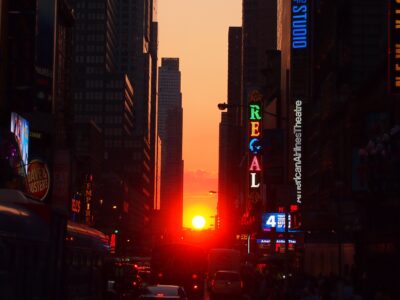
Why Manhattanhenge Matters Beyond the Sunset
Manhattanhenge is a reminder that we live on a tilted, rotating planet orbiting something much larger—a perspective scientists link to stronger spatial awareness and environmental concern.
-
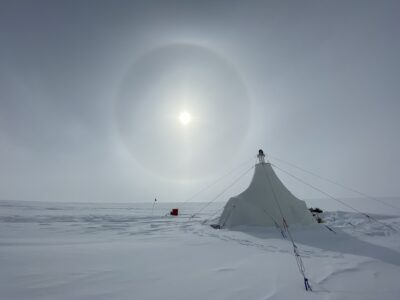
Ancient Dust Points To Retreat of West Antarctic Ice Sheet During Last Warm Period
Antarctica’s Ross Ice Shelf and the West Antarctic Ice Sheet may have been far smaller during one of Earth’s most recent warm periods, according to a new study.
-
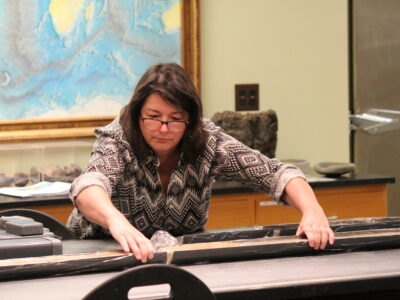
Lamont Paleoclimatologist Maureen Raymo Receives the 2026 Nemmers Prize
Raymo received the award for her pioneering development of hypotheses that explain climate change across Earth’s history, and her educational leadership in the Earth system sciences.
-
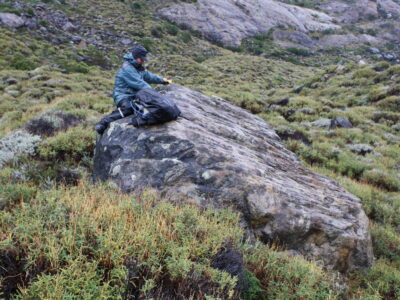
Geologist Mike Kaplan Named 2026 Guggenheim Fellow
Kaplan studies the ways ice sheets, mountain glaciers, climates and landscapes changed in the past.
-
Faculty Spotlight: Decoding the Arctic Ocean’s Chemical Clues
Laramie Jensen’s interest in inorganic and analytical chemistry led her to the ocean. And then to the North Pole.
-
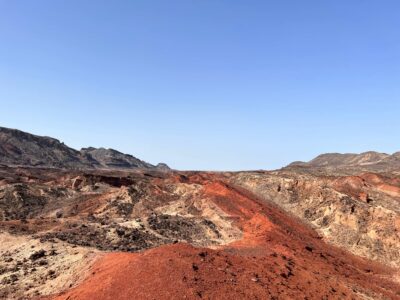
In Eastern Africa, the Cradle of Humankind Is Tearing Apart
Researchers have found that Earth’s underlying crust in the Turkana Rift region has been significantly thinned, presaging Africa’s eventual breakup—and with that finding, the researchers offer a new perspective on Turkana’s fossil record of human evolution.
-

Columbia Beautiful Planet 2026
Once again, we honor Earth Day by sharing some amazing photos celebrating the beauty and magic of our planet, as captured by the Columbia community.


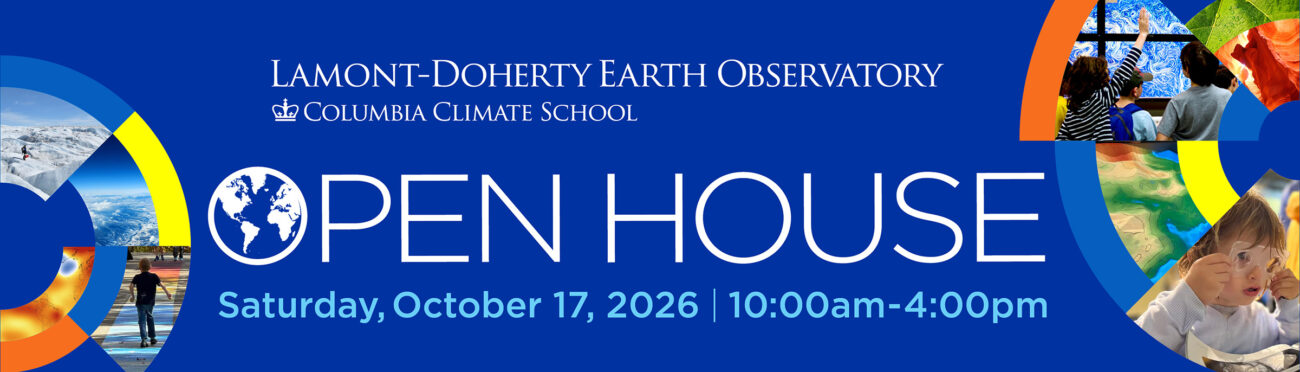
On Saturday, October 17, 2026 from 10am to 4pm, Lamont-Doherty Earth Observatory Open House—our biggest, best science fun and discovery event of the year—will take place on our beautiful campus in Palisades, NY. Mark your calendar and join us for this free, family-friendly celebration of science! RSVP Today!
