Earth Sciences5
-
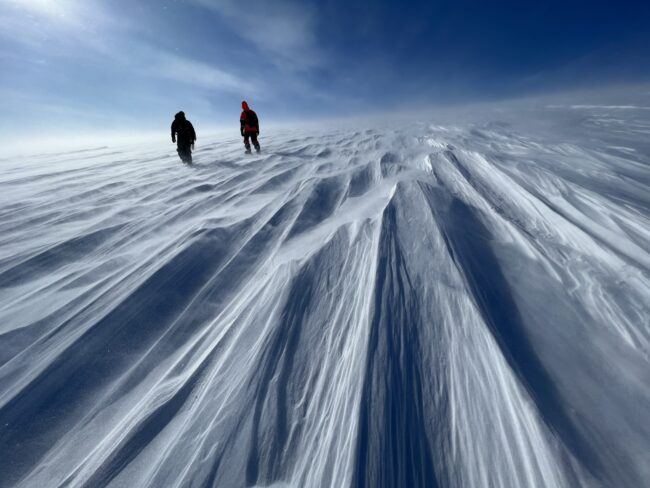
Greenland Ice Cap Vanished Just 7,000 Years Ago
The first study from GreenDrill finds that Greenland’s Prudhoe Dome ice cap had fully melted much more recently than previously thought.
-
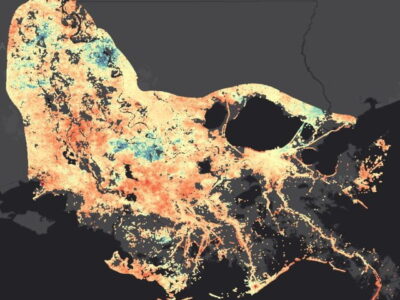
Human Activity Is Driving Rapid Sinking of World’s River Deltas
New research, published in Nature, documents the rate of elevation loss in the world’s deltas, and finds that people are the primary reason for it.
-
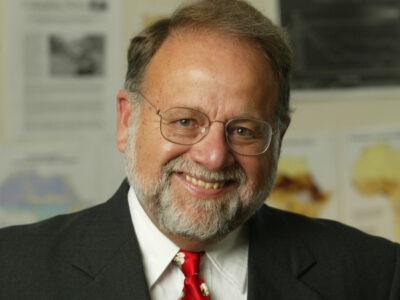
Remembering World-Renowned Soil Scientist, Agriculture and Food Security Center Director Pedro Sanchez
Walter Baethgen reflects on his friendship with Sanchez.
-
American Geophysical Union 2025: Key Scientific Presentations From Lamont-Doherty Earth Observatory and Columbia Climate School
Check out a guide to some of our notable research at this year’s AGU conference.
-
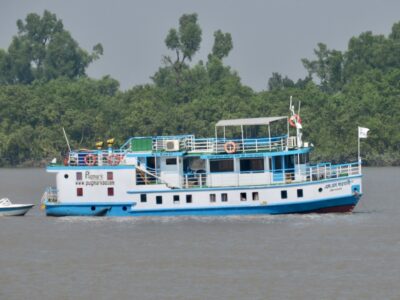
Sailing Around the Bangladesh Coastal Zone
The future sustainability of the delta depends on the balance of sea level rise, the subsidence of the land, and the deposition of sediments that can help maintain the land.
-
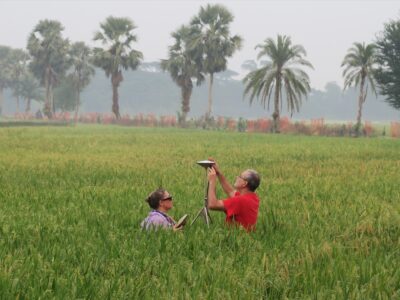
Driving Around the Bangladesh Coastal Zone
Mike Steckler travels around the coastal zone of the world’s largest delta in Bangladesh to repair GNSS (GPS) instruments.
-
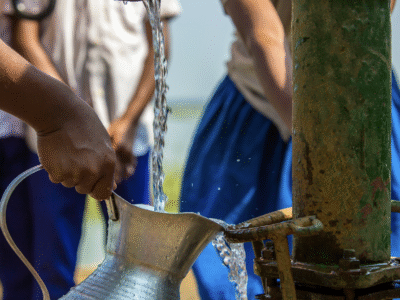
Reducing Arsenic in Drinking Water Cuts Risk of Death, Even After Years of Chronic Exposure
Published today in JAMA, a 20-year study of nearly 11,000 adults in Bangladesh found that lowering arsenic levels in drinking water reduced the risk of death from chronic illnesses, compared with continued exposure.
-
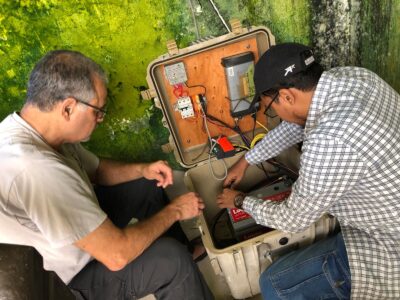
Continuing on to Comilla, Dhaka and the Coast
After finishing fixing their global navigation satellite system equipment in Sylhet, Mike Steckler and his team traveled south to repair more stations in Comilla, then to Dhaka and the coast.
-
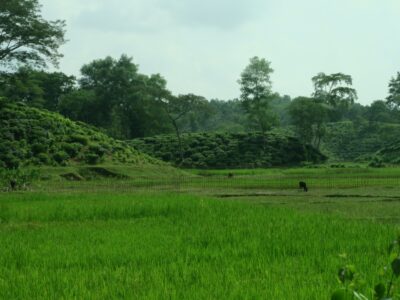
Repairing Global Navigation Satellite Systems in the Land of Tea
Mike Steckler is back in Sylhet, Bangladesh, to repair GNSS stations that are monitoring tectonics and earthquake hazards, and measuring the sinking of the land in the world’s biggest delta.


On Saturday, October 17, 2026 from 10am to 4pm, Lamont-Doherty Earth Observatory Open House—our biggest, best science fun and discovery event of the year—will take place on our beautiful campus in Palisades, NY. Mark your calendar and join us for this free, family-friendly celebration of science! RSVP Today!
