Earth Sciences49
-

Renowned Seismologist Lynn Sykes Receives Honorary Doctorate from Columbia University
Sykes helped to establish plate tectonic theory in the 1960s. He is professor emeritus at the Lamont-Doherty Earth Observatory.
-

The Culture and History of Glaciers in the Alps
Why did Europe’s “cursed” glaciers begin retreating in the 1850’s even though the climate record suggests they should have advanced for another 50 years?
-

Dying Reefs Bigger Threat to Coasts Than Rising Seas, Study Says
If coral reefs continue to degrade, waves on coastlines may substantially increase, leading to greater coastal erosion.
-

Finishing Up in Bangladesh
In the final push, we split into multiple teams, and caught up and completed all the seismometer installations on time.
-

The Columbia Glacier: Climate Change and Glacial Dynamics
One of the most rapidly changing glaciers in the world shows us that once climate change triggers retreat, glacial mechanics can make melting a whole lot worse.
-

Installing the seismometer array
Helping Jim’s team, I assisted in installing stations and scouting locations. While some stations go quickly, others took multiple trips to find a good site. Time is growing short for getting all the seismometer installations done on time.
-

Can Soil Help Combat Climate Change?
Soil naturally absorbs a huge amount of carbon. Some scientists think we can use it to our advantage in the fight against global warming.
-

Researchers Map High Levels of Drugs in the Hudson River
In a new study, researchers have mapped out a large variety of discarded pharmaceuticals dissolved throughout the Hudson River. They say that in some places, levels may be high enough to potentially affect aquatic life.
-

Transition to Seismology Scouting
As we finished scouting and installing the GPS stations, we started to assist the seismology team in getting permission to install there instruments in Tea Estates.


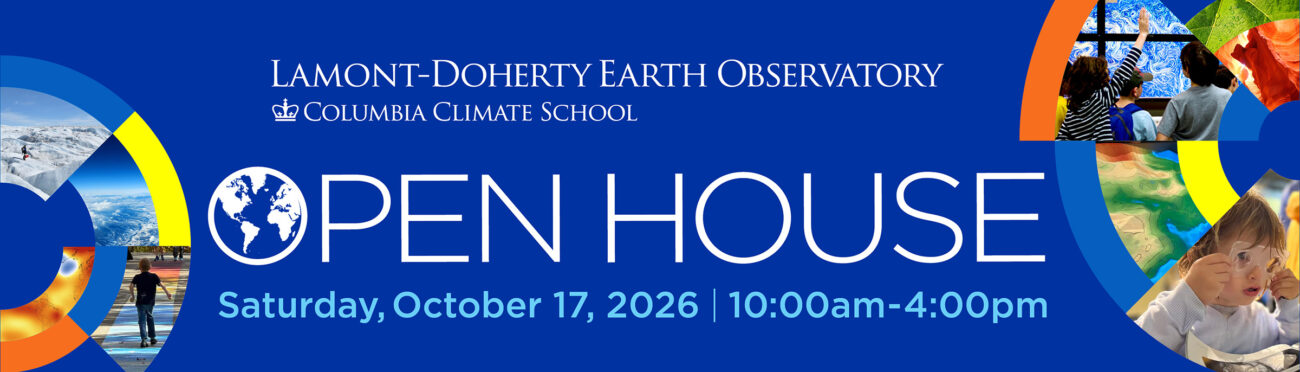
On Saturday, October 17, 2026 from 10am to 4pm, Lamont-Doherty Earth Observatory Open House—our biggest, best science fun and discovery event of the year—will take place on our beautiful campus in Palisades, NY. Mark your calendar and join us for this free, family-friendly celebration of science! RSVP Today!
