Earth Sciences50
-
National Climate Report: Q&A With Authors
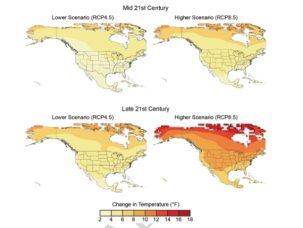
Every four years Congress is provided with a state-of-the-art report on the impacts of climate change on the United States. The next National Climate Assessment is scheduled for 2018, but its scientific findings are scheduled to be published today. Here, two of its authors explain what to expect.
-

Settling in at McMurdo Station in Antarctica
Even though our tent is within a short drive of McMurdo (a small town with most of the safety and logistical equipment on the entire continent), we still need to prepare ourselves for sudden, extreme weather. Every time we leave the relative safety of McMurdo, we carry our Extreme Cold Weather equipment and our tent…
-

Giant Boulders on Bahamas Coast Are Evidence of Ancient Storms and Sea Level, Says Study
A new study says that storms of intensities seen today, combined with a few meters increase in sea level, were enough to transport coastal boulders weighing hundreds of tons more than 100,000 year ago.
-

Seismodome Demonstrates the Awe-Inspiring Intensity of Earthquakes
During a show at the Hayden Planetarium, seismologist Ben Holtzman explains how he turns earthquake data into captivating sounds and visualizations.
-

Improving Tools for Predicting Wildfires
During a conference at Columbia University, scientists pinpointed areas where advances in fire prediction can be made within the next decade.
-

What’s a Few Days’ Delay When Preparing to Visit a 33 Million-Year-Old Ice Sheet?
With the Rosetta-Ice team delayed in New Zealand, let’s take a minute to discuss why Antarctica’s weather is so forbidding.
-

Ice Sheets May Melt Rapidly in Response to Distant Volcanoes
A study of ancient eruptions shows modern ice sheets could be vulnerable.
-

Final Stop: Antarctica’s Ross Ice Shelf
We have embarked! Our third Antarctic field season is underway, putting us only 18 flights away from completing our mission to map the Ross Ice Shelf, the largest ice shelf in Antarctica.
-

Expedition Explores Undersea Rift off Greece
The Corinth rift is one of the most seismically active areas in Europe. Starting this month, researchers will drill into the rift to discover its past and future.


The first Earth Day in 1970 ignited a movement to stop polluting our planet. Today, our scientists and experts are tackling the most pressing challenges to achieve real-world impact. This Earth Day, join us in our commitment to realizing a just and sustainable future for our planet. Visit our Earth Day website for ideas, resources, and inspiration.
