Natural Disasters20
-
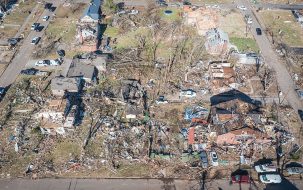
Three Questions About Last Weekend’s Devastating Tornado Outbreak
Natural hazards expert Chiara Lepore explains some of the factors that contributed to making the outbreak uncommonly dangerous.
-

American Geophysical Union 2021: Key Events From the Columbia Climate School
A guide to some of the most provocative talks at the world’s largest gathering of earth and space scientists.
-

Statistics Breakthrough May Help Scientists Calculate Likelihood of Worst-Case Scenarios
What unlikely event is most likely to end life on Earth? A new method might help scientists approach questions like this.
-

You Can’t Run From Climate Change, but That’s Not a Bad Thing
An intergenerational conversation about living with climate change and its impacts.
-

Hurricane Ida’s Silver Lining: A Chance at Vital NYC Housing Reform
The storm revealed a new piece in the City’s growing climate puzzle: the need to address its network of illegitimate basement apartments.
-

In New Project, Millions of Farmers Will Help to Improve Insurance Against Climate Disasters
Until now, most index insurance did not have the capacity to tap the wisdom of crowds of farmers themselves.
-

How Utilities Can Help Communities Build Economic Resilience to Disasters: Part II
Given the essential role of the power grid, electric utilities are in a unique position to lead disaster mitigation and preparedness.
-

Attribution Science: Linking Climate Change to Extreme Weather
Scientists can now determine what role climate change plays in making extreme weather events more frequent and intense.
-

Disaster Relief and the Psychology of ‘Once in a Lifetime’ Events
It’s time to stop responding to frequent climate catastrophes and start preparing for them.


On Saturday, October 17, 2026 from 10am to 4pm, Lamont-Doherty Earth Observatory Open House—our biggest, best science fun and discovery event of the year—will take place on our beautiful campus in Palisades, NY. Mark your calendar and join us for this free, family-friendly celebration of science! RSVP Today!
