Natural Disasters21
-

FEMA Awards the National Center for Disaster Preparedness (NCDP) with Two New Training Programs
The training programs will highlight best practices and lessons learned for pandemic planning in mass care settings, with a specific focus on society’s most vulnerable.
-

When Record-Breaking Is the Norm: Mitigating the Impacts of Extreme Rainfall Events in a Changing Climate
Rainfall extremes this year affected millions.
-

Irwin Redlener: On the Pandemic, Harnessing Celebrity Fame, and Public Health Activism
The pediatrician and founder of Columbia’s National Center for Disaster Preparedness also talks about childcare, climate change, and what’s next for him.
-

Experts Weigh In on Hurricane Ida and Deadly Flash Floods in New York City
Experts from the Columbia Climate School have provided their insights and perspectives to journalists across the country trying to make sense of Hurricane Ida.
-

Protecting New York City from the Impact of Climate Change
The climate crisis and the extreme weather it brings will get worse before it gets better, and New York City’s very survival depends on our ability to finally respond to the climate adaptation crisis before us.
-

How Do High School Students Combat the Climate Crisis and Plan for Community Resilience After a Disaster?
Students tackled this question in a week-long virtual immersion program on community planning for resilience.
-

How Can Local Communities Address the Needs of Vulnerable Populations Prior to a Disaster?
Finding solutions to longstanding problems for vulnerable communities prior to a disaster can help recovery efforts after one hits.
-

Hurricane Ida: Resources for Journalists
Disaster experts around the Columbia Climate School are available to answer questions from the media about hurricane physics, the role of climate change in creating strong storms, and more.
-

Warfare, Not Climate, Is Driving Resurgent Hunger in Africa, Says Study
A 2009-2018 analysis of 14 countries teases out the factors behind reversals in food security. Conflict, not drought, is behind much of it.


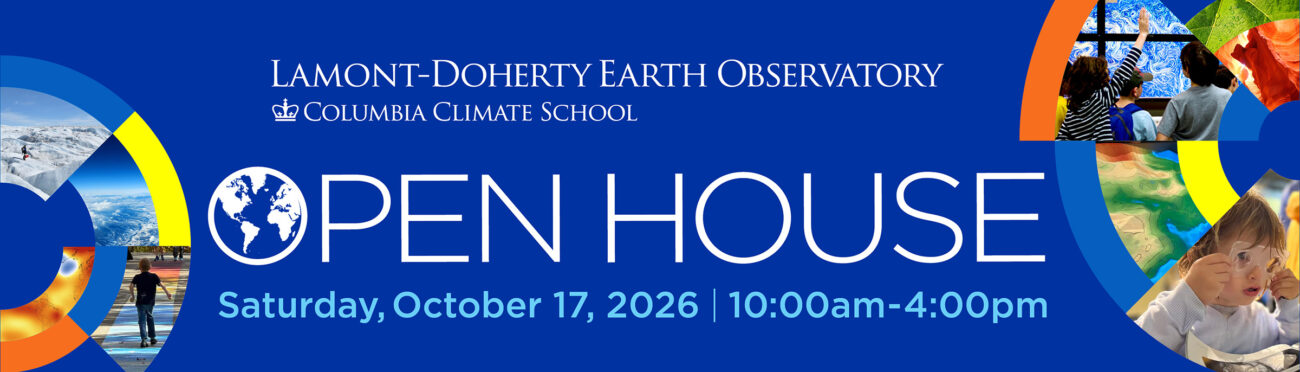
On Saturday, October 17, 2026 from 10am to 4pm, Lamont-Doherty Earth Observatory Open House—our biggest, best science fun and discovery event of the year—will take place on our beautiful campus in Palisades, NY. Mark your calendar and join us for this free, family-friendly celebration of science! RSVP Today!
