Natural Disasters52
-

If You’re Not Going to San Francisco
Keep an eye on State of the Planet over the next week for updates on the fall meeting of the American Geophysical Union.
-

What Hurricane Sandy Was Not
“It is often said that generals always prepare to fight the last war. We need to be sure that we do not just prepare for the last disaster, and put all of our limited resources in guarding against that one, without thinking about the other things that could happen.”
-

After Sandy, Testing the Waters
During Hurricane Sandy the seas rose a record 14-feet in lower Manhattan. Water flooded city streets, subways, tunnels and even sewage treatment plants. It is unclear how much sewage may have been released as plants lost power or were forced to divert untreated wastewater into the Hudson River. Four days after Sandy, the environmental group…
-

We Don’t Know All About Hurricanes–But We Know Enough to Act
Sandy instantly brought a new kind of national media attention to the influence of global warming on weather disasters. After several years of near-silence on climate from our political leaders and the mainstream media, the renewed attention is profoundly welcome.
-
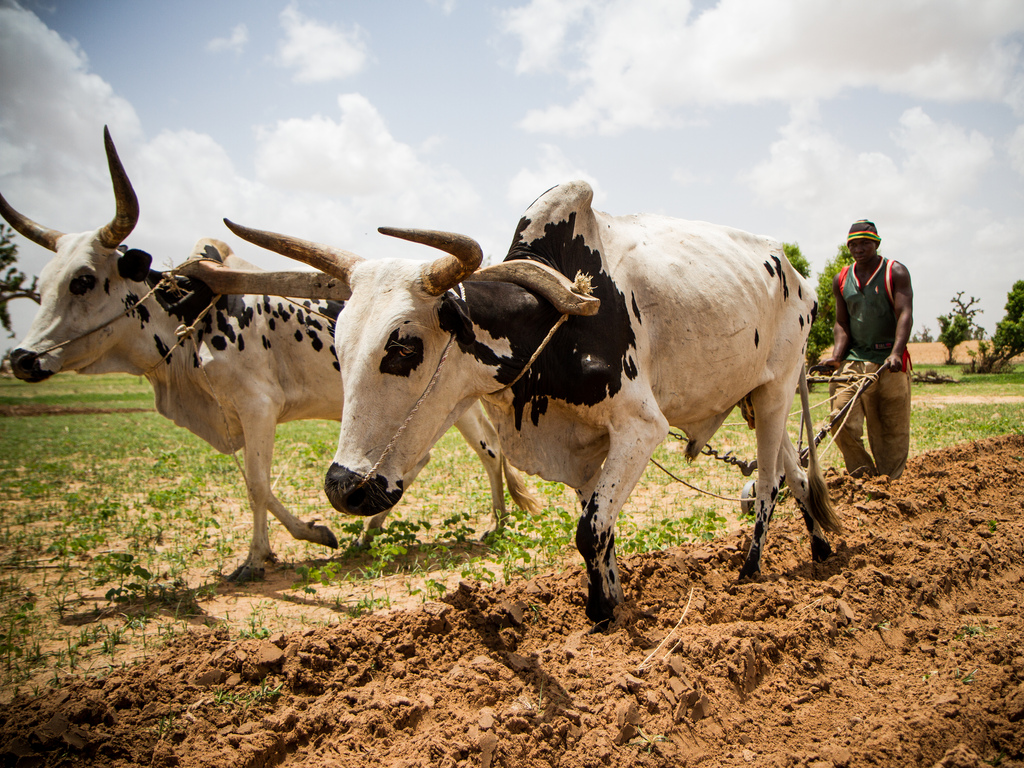
Food Security in the Face of Changing Climate
An interview with James Hansen, an agricultural scientist at the International Research Institute for Climate and Society who also has a prominent role in the world’s largest research program focused specifically on climate change and food security.
-

Sandy’s Surge Affected More Than 1.4 Million in 11 States
Based on a model used by the U.S. Federal Emergency Management Agency (FEMA), the map shows coastal areas likely to have been inundated by the storm surge resulting from Hurricane Sandy, in relationship to residential population.
-

Getting Better Prepared for the Next Big Storm
Super Storm Sandy was an unusually powerful and destructive storm because of a rare constellation of factors, but scientists predict that we can expect more extreme weather events due to the effects of climate change. Has the super storm made us take warnings about extreme weather more seriously?
-

Resilience and Flood Risk
As New York Gov. Andrew Cuomo acknowledged last Tuesday, “We have a new reality when it comes to these weather patterns; we have an old infrastructure, we have old systems. That is not a good combination.” This is exactly why the flood insurance market, as a tool for change, is of interest to the mayor’s…
-

‘This is a wake-up call – don’t hit the snooze button’
For years before Hurricane Sandy charged ashore on Monday, researchers from the Earth Institute knew what was coming. As the region struggles to recover from this “superstorm,” we asked some of them to consider the lessons we can learn as we move forward.


By studying thousands of buildings and analyzing their electricity use, Columbia Climate School Dean Alexis Abramson has been able to uncover ways to significantly cut energy consumption and emissions. Watch the Video: “Engineering a Cooler Future Through Smarter Buildings“
