cs highlights28
-

She Led Scientists Advising New York on Climate Change. Did the City Listen?
Cynthia Rosenzweig co-chaired the New York City Panel on Climate Change, an expert body advising the mayor, from its inception four years before Hurricane Sandy, and well after. Here, she assesses what was learned, and done, before and after.
-

The ‘Cassandra of the Subways’ on Hurricane Sandy, Ten Years Later
Klaus Jacob predicted for years how the New York City subways would flood in a superstorm. Finally, authorities began to listen, but long-term preventive action came too little, too late.
-

What City Planners Can Learn From Hurricane Sandy
Based on a decade of data from Hurricane Sandy, two New York City planners explore the inequities of disaster mitigation and recovery — and what needs to change to prevent climate gentrification.
-

Flooding Significantly Impacts African Food Security, Says Study
At a time when flooding is overtaking many parts of the world, millions of people in Africa are going hungry when croplands, livestock and infrastructure are inundated. But the results are complicated.
-

Permafrost Emissions Must Be Factored Into Global Climate Targets, Says Study
As the Arctic melts, permafrost there has the potential to send huge amounts of carbon into the atmosphere, but exactly how much is up for grabs, depending on what we do to stem climate change in coming years.
-

Study Upsets Models of How Lake Drainage Within Glaciers May Influence Sea Level
Sudden plunges of lake waters from glacial surfaces to ice-sheet beds may not speed up the movement of Greenland’s tidewater glaciers, as previously thought.
-

Highlights From the 2022 Lamont Open House
Visitors played with glacial goo, watched trash cans erupt with water and ping pong balls, and performed hands-on science experiments — all while learning how Lamont researchers help us understand our planet.
-

Should Coastal Communities Rebuild or Retreat After Hurricane Ian?
The benefits and challenges of moving communities to safer ground.
-

Hurricane Ian’s Aftermath: A Rising Death Toll and Questions About Preparedness
A disaster preparedness expert weighs in on the many factors that can complicate decisions around evacuations and preparedness.


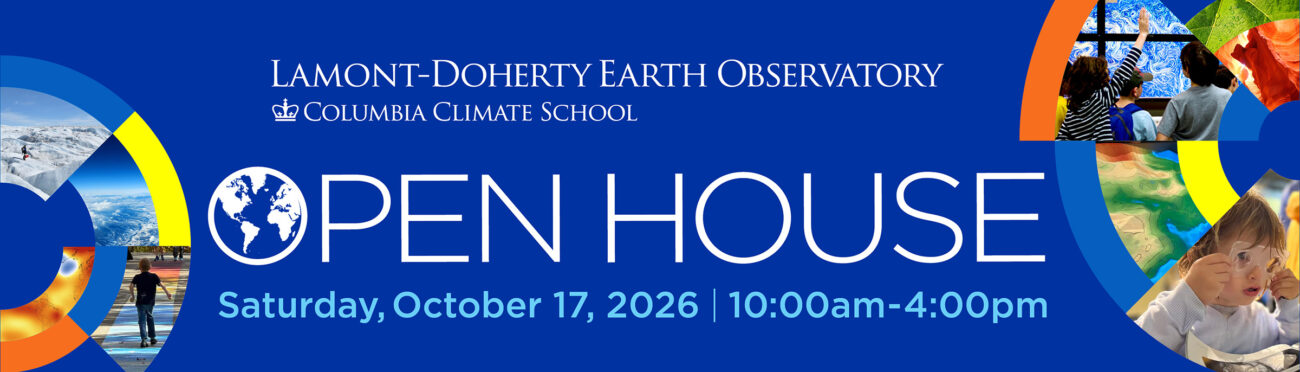
On Saturday, October 17, 2026 from 10am to 4pm, Lamont-Doherty Earth Observatory Open House—our biggest, best science fun and discovery event of the year—will take place on our beautiful campus in Palisades, NY. Mark your calendar and join us for this free, family-friendly celebration of science! RSVP Today!
