research25
-
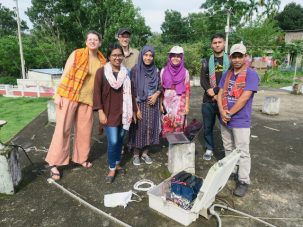
Start of the Mini-Field School
We were joined in our electromagnetic investigation of the subsurface and earthquake hazard by a group of US and Bangladeshi students and professors for a mini-Field School.
-

For Wetland Plants, Sea Level Rise Stamps Out Benefits of Higher CO2
The beneficial effects of rising CO2 for plants disappear under flooding, a 33-year field experiment reveals.
-

Lazy Bears and Confused Birds: What a Warming Planet Means for Wildlife
In the Arctic, climate change is upsetting the migratory rhythms of many species, disrupting pollinators, and spelling trouble for ecosystems around the world.
-

Tea Gardens to the Rescue
We switched to deploying our equipment for imaging faults and the structure beneath the surface to tea gardens to get away from power lines and buried the cables to protect them from gnawing foxes.
-

How Electric Vehicles Could Fix the Grid
Local governments and policymakers are anxious about the U.S. grid’s ability to withstand ever-increasing demand. Consumers could hold the key to an untapped resource.
-

Dealing With Rain and Rats
As we continued our geophysical measurements, we had to deal with heavy rains, flooding fields, and rats and foxes biting our cables. Many cables were broken soon after sunset, ruining the measurements.
-

Fieldwork in Bangladesh During the End of Ramadan and Eid Festival
We have come to in Bangladesh in the pre-monsoon heat to better image the active faults beneath the surface using electromagnetic instruments. We are using the fallow fields from the just-harvested rice crop for our sites.
-

Historically Redlined Neighborhoods Are Burdened by Excess Oil and Gas Wells
A new study adds to the evidence that structural racism in federal policy is linked to the disproportionate siting of oil and gas wells in marginalized neighborhoods.
-

Crowdsourcing to Build Better Insurance
In order to offer protective insurance to greater numbers of smallholder farmers, in 2021, the ACToday project began testing mobile crowdsourcing apps that tap into the experiences and memories of farmers themselves.


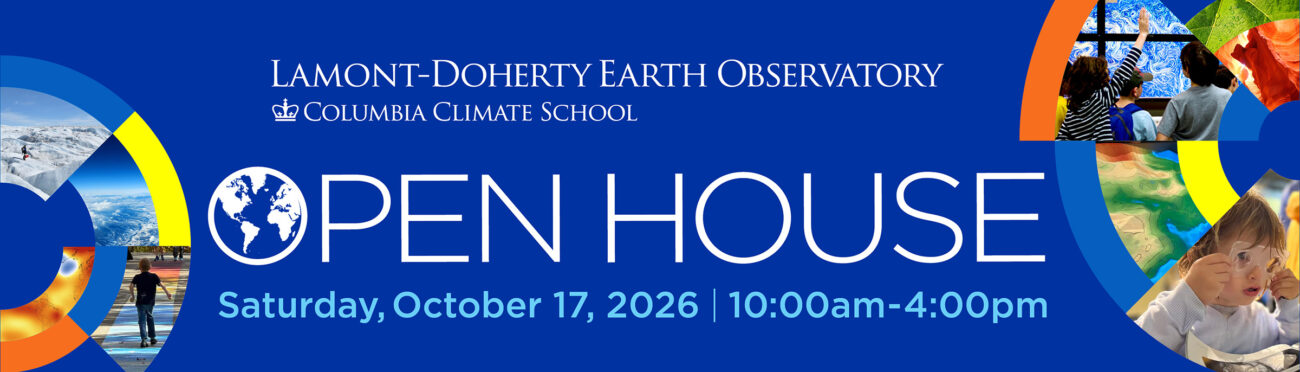
On Saturday, October 17, 2026 from 10am to 4pm, Lamont-Doherty Earth Observatory Open House—our biggest, best science fun and discovery event of the year—will take place on our beautiful campus in Palisades, NY. Mark your calendar and join us for this free, family-friendly celebration of science! RSVP Today!
