Natural Disasters19
-
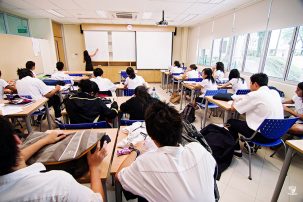
How Do High School Students Combat the Climate Crisis and Plan for Community Resilience After a Disaster?
Students tackled this question in a week-long virtual immersion program on community planning for resilience.
-

How Can Local Communities Address the Needs of Vulnerable Populations Prior to a Disaster?
Finding solutions to longstanding problems for vulnerable communities prior to a disaster can help recovery efforts after one hits.
-

Hurricane Ida: Resources for Journalists
Disaster experts around the Columbia Climate School are available to answer questions from the media about hurricane physics, the role of climate change in creating strong storms, and more.
-

Warfare, Not Climate, Is Driving Resurgent Hunger in Africa, Says Study
A 2009-2018 analysis of 14 countries teases out the factors behind reversals in food security. Conflict, not drought, is behind much of it.
-

Populations Exposed to Flooding Growing Much Faster Than Thought, Says Study
Human migration and increasing inundations are causing more people to be vulnerable.
-

Wildfires Are Decimating the West and Choking the East — It’s Time for Solutions
Unlike other natural disasters, wildfires endanger the health and well-being of populations near and far.
-

Task Force Presents Advice to U.S. on Climate and Global Migration
Experts call for vastly expanded U.S. programs to aid displaced people.
-

Searching for Faults From Afar
Researchers are using ocean-bottom and land-based seismometers to record the R/V Marcus Langseth’s soundings from afar, to better understand the potential impacts of large earthquakes in the Cascadia region.
-

Collecting More Than Just Seismic Data Along the Cascadia Fault
While researchers search for a megathrust fault off the Pacific Northwest coast, they are also helping to map the seafloor in high resolution and detect underwater methane seeps.


By studying thousands of buildings and analyzing their electricity use, Columbia Climate School Dean Alexis Abramson has been able to uncover ways to significantly cut energy consumption and emissions. Watch the Video: “Engineering a Cooler Future Through Smarter Buildings“
